


Why 'Just Talk It Out' Isn't Enough: Teaching Couples the Skill Behind the Skill
Most couples already know they should communicate. What they often lack is the specific, teachable skill set that turns good intentions into real understanding. This post looks at how relationship educators can move beyond generic advice.
Ask any couple in conflict whether they know they "should communicate better," and nearly all of them will say yes. The trouble is that "communicate better" is not a skill; it is a goal. Relationship education programs succeed when they break that goal into concrete, practicable behaviors: reflective listening, softened start-ups, and structured turn-taking during hard conversations. In a made-up pilot program we're referencing for this sample post, called the Bridgeline Communication Series, facilitators reported that couples who practiced a simple speaker-listener technique for just ten minutes a day for six weeks described feeling more "heard" than couples who only received informational handouts.
The speaker-listener technique itself is deceptively simple: one partner holds a small object (a "floor" marker) and speaks in short statements, while the other partner paraphrases what they heard before responding. It sounds almost too basic to matter, but in our fictional Bridgeline data set, couples using this structure were far less likely to escalate into blame-based arguments. Facilitators noted that the structure removes the burden of having to simultaneously listen and formulate a rebuttal, which is often where communication breaks down under stress.
For practitioners designing curricula, the takeaway is that skills need repetition in low-stakes moments before couples can rely on them during high-stakes ones. A once-a-year workshop is unlikely to create lasting change on its own; ongoing practice, refreshers, and community support matter just as much as the initial lesson. As always, this post is a sample entry written for illustration, and the Bridgeline Communication Series, its statistics, and its quoted outcomes are entirely fictional and were invented for this demonstration.
Editor's note: This is only a sample blog entry created for demonstration purposes. All names, statistics, programs, and quotes mentioned below are entirely made up and do not reflect real NARME data, research, or events.

Reaching Young Adults Before the First Serious Relationship
Relationship literacy doesn't have to wait until adulthood. This post explores how early relationship education for teens and young adults can shape healthier dating patterns before habits become hard to unlearn.
Most relationship education is delivered to adults who are already dating, engaged, or married, but a growing number of practitioners argue that the earlier window matters just as much, if not more. For this sample post, imagine a fictional high school elective called Foundations for Connection, in which students spent one semester learning to recognize healthy versus unhealthy relationship patterns, set personal boundaries, and understand the difference between infatuation and long-term compatibility. In our invented scenario, instructors observed that students who completed the course were more likely to describe boundary-setting as a normal and expected part of any relationship, romantic or otherwise.
A key theme in youth-focused relationship literacy is separating relationship skills from assumptions about any particular family structure or life path. The goal is not to tell young people who to date or when to marry, but to give them a shared vocabulary for healthy dynamics: consent, respect, conflict repair, and self-awareness. In the made-up Foundations for Connection curriculum referenced here, role-play exercises were used heavily, allowing students to practice recognizing warning signs in a low-pressure, classroom setting rather than learning those lessons only through lived experience.
Programs like this fictional example also tend to emphasize the connection between individual well-being and relationship readiness, since teens who feel secure in their own identity are generally better equipped to build healthy partnerships later. Whether delivered in schools, community centers, or faith-based settings, early relationship education is increasingly viewed as a long-term investment in family stability. Please note that this article is only a sample blog entry, and the Foundations for Connection program, along with all details and outcomes described, is entirely fictional and was invented for demonstration purposes only.
Editor's note: This is only a sample blog entry created for demonstration purposes. All names, statistics, programs, and quotes mentioned below are entirely made up and do not reflect real NARME data, research, or events.

What State Policymakers Get Wrong About Marriage Incentives
Well-meaning marriage-related policies sometimes miss their mark. This post walks through common design mistakes in state-level family policy and what a more effective approach might look like.
When state legislators try to support marriage and family stability, they often reach for the most visible lever available: financial incentives. But in a hypothetical case study used here purely for illustration, a fictional state task force found that a one-time marriage bonus payment did little to change behavior, because couples rarely make major relationship decisions based on a single modest payment. What seemed to matter more in this invented scenario was reducing the practical penalties that some low-income couples face when benefit programs are structured in ways that discourage joint filing or shared households.
A second common misstep in our fictional case study was treating relationship education funding as a one-time grant rather than sustained infrastructure. Programs that received a single year of funding in the made-up example struggled to retain trained facilitators, and community trust took years to rebuild once services lapsed. Sustainable policy design, in this invented illustration, meant multi-year funding commitments paired with clear outcome tracking, rather than short bursts of funding tied to election cycles.
The broader lesson for policymakers, at least in this fictional example, is that effective family policy tends to combine several small, well-targeted supports rather than one large, symbolic gesture. Removing marriage penalties in benefit structures, funding relationship education as ongoing infrastructure, and involving community-based practitioners in policy design all matter more than headline-grabbing incentive programs. As a reminder, this post is only a sample blog entry; the state task force, its findings, and all figures mentioned are completely made up for demonstration purposes.
Editor's note: This is only a sample blog entry created for demonstration purposes. All names, statistics, programs, and quotes mentioned below are entirely made up and do not reflect real NARME data, research, or events.
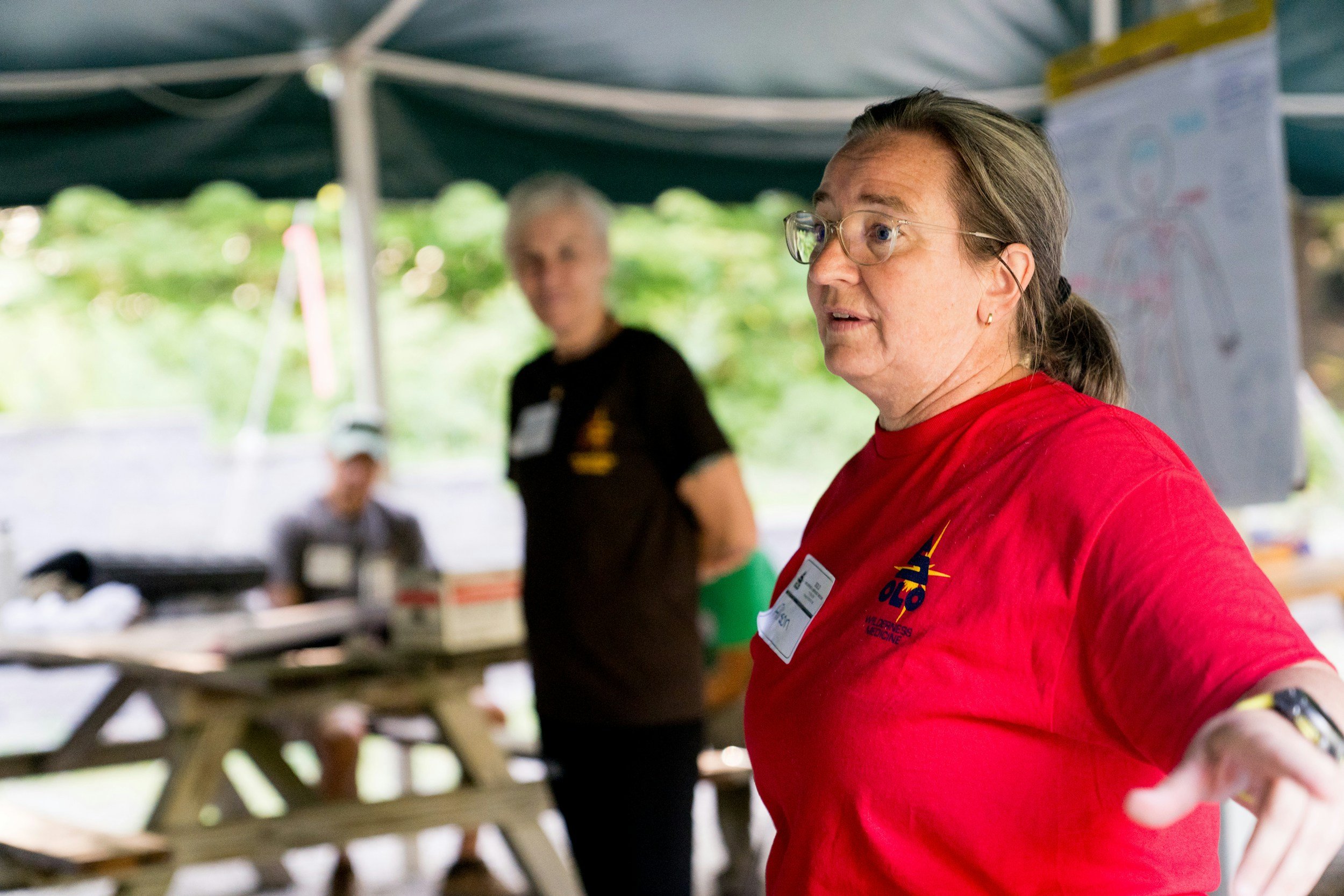
Inside a Community of Practice: How Peer Learning Sharpens Facilitator Skills
Great facilitators rarely improve in isolation. This post looks at how structured peer communities can help relationship education practitioners troubleshoot real challenges and refine their craft together.
Facilitating a relationship education workshop looks straightforward from the outside: follow the curriculum, guide the discussion, keep things on schedule. In practice, every group brings unexpected dynamics, and even experienced facilitators run into moments they aren't sure how to handle. For this sample post, picture a fictional monthly peer group called the Practitioner Exchange Circle, where facilitators from different organizations met virtually to workshop real (anonymized) challenges, such as managing a dominant talker or adapting an activity for a multilingual audience.
What made this invented Practitioner Exchange Circle useful, in our made-up example, was not polished expert advice but the sheer variety of firsthand solutions. One facilitator's improvised fix for a disengaged group became another's go-to technique the following month. Over time, members in this fictional scenario built an informal shared playbook that no single training manual had captured, because it emerged directly from the messy realities of running sessions with real people in real rooms.
Communities of practice like this fictional example also tend to reduce burnout, since facilitators feel less alone when a session doesn't go as planned. Knowing that a trusted peer group exists to troubleshoot difficult moments can make the difference between a practitioner quietly struggling and one who keeps growing in the role. As with the other posts in this set, this article is only a sample blog entry, and the Practitioner Exchange Circle, along with everything described about it, is entirely fictional and invented for demonstration purposes.
Editor's note: This is only a sample blog entry created for demonstration purposes. All names, statistics, programs, and quotes mentioned below are entirely made up and do not reflect real NARME data, research, or events.