

The Relationship Educator Blog
The Relationship Educator Blog is a weekly forum for exploring the exciting but challenging practice of relationship education. The blog is sponsored by the National Alliance for Relationship and Marriage Education (NARME), the premier non-profit organization serving the relationship education field. Blogs are written by talented RE practitioners and researchers. If you would like to be a guest blogger and share your wisdom with other practitioners, please contact NARME Vice-chair, Alan Hawkins (alan.hawkins@usu.edu). The thoughts expressed in the blog are those of the individual authors and do not necessarily represent NARME.

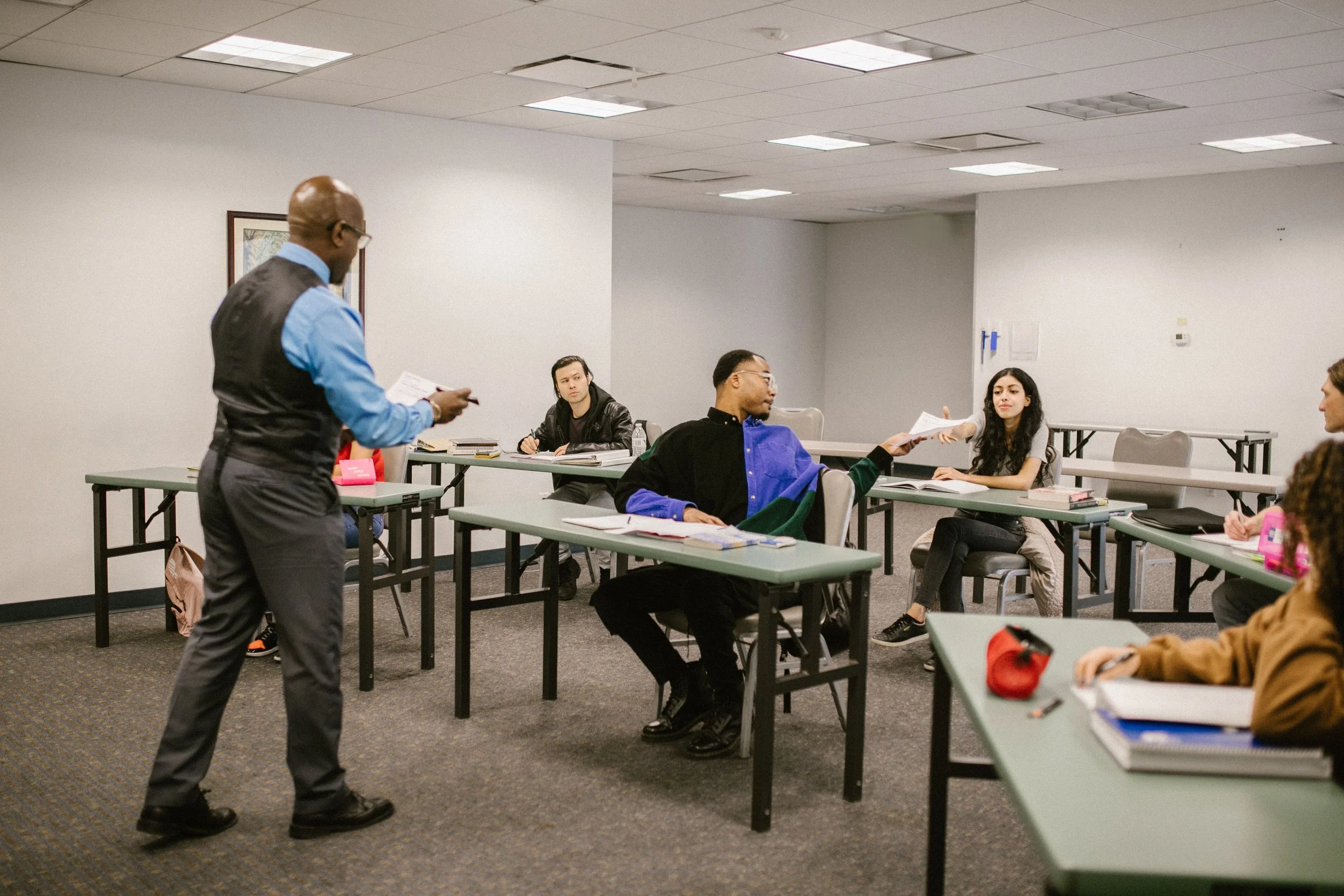
Adult Education Facilitation Best Practices: How to be the Messenger that Matters
By Miranda L. Egger & Lawrence Ramos
Relationship educators might benefit from shifting their idea of great facilitation from deliverer of information to architect of a positive learning experience designed with your specific participants in mind. Your participants don't just need you to get comfortable with the curriculum; they also need you to recognize the value of their emotional engagement, be curious enough to consider cultural adaptations, and design your curriculum for universal accessibility.

Lean In or Lighten Up? In Defense of Good-Enough Marriages
By Alan J. Hawkins
Even though I’m a pretty optimistic person, there are some things I worry about in regard to the practice of couple and relationship education (CRE). For instance, CRE sends a strong meta-message – correctly – that relationships take work and that we need good skills to form and sustain healthy relationships and strong marriages. Soul mates are made, not found. So, the dedicated relationship educator invites: “Take this 12-hour course; it will teach you all you need to learn about forming and sustaining healthy relationships and stronger marriages.”
True . . . but . . . I worry that messages like these – this way of presenting the ongoing need for and value of CRE – has unintended consequences. It can also make CRE less inviting and appealing. Does it hold people back from exploring relationship education because it feels too heavy and hard? And do some even end up thinking that healthy relationships are beyond their current capacity? I want to noodle on these questions.

Quality Doesn’t Happen by Accident: Lessons from Building Online, On-Demand Relationship Education
Can on-demand relationship education produce meaningful outcomes without sacrificing quality? As more organizations explore online options, it's tempting to think effective courses can be created simply by moving classroom content online. My experience has taught me otherwise. High-quality on-demand learning requires intentional instructional design, collaboration among experts, and a deep understanding of how adults learn and change behavior. As relationship education continues to expand beyond the classroom, I believe we should ask not only how to increase access, but how to do so without lowering educational standards.

Relationship Education in an Age of Pessimism
A recent Harvard Youth Poll reveals a dramatic shift in optimism: only 25% of young adults feel hopeful about the country's future. Just five years ago, that number sat at a strong 55%. Yet “optimism is America’s birthright.” The marriage movement stems from this sense of traditional American optimism. 1 And relationship education aims to give people greater hope, a stronger sense of agency, and the needed cognitive and behavioral skills to achieve their family aspirations. But what happens when the inherent optimism of relationship education collides with pervasive pessimism that seems baked into the current cultural zeitgeist and personal doubts about marriage and family life? And how does this affect the work of relationship educators? I don’t have all the answers. But I think I have some important questions and a few sensible implications that RE practitioners should be thinking about.